
Retirement marks the beginning of a new chapter—one filled with possibility, but also adjustment. After decades of structured work life, many people find themselves asking a surprisingly difficult question: what do I actually want to do with my time? The answer matters more than you might think. Research consistently shows that how you spend your leisure hours in later life directly impacts your physical health, cognitive sharpness, and emotional wellbeing.
This resource brings together the key areas of leisure and activity that matter most for UK retirees: from gentle physical exercise and mobility solutions to brain-boosting hobbies, social connections, and accessible travel. Whether you are newly retired or supporting someone who is, understanding these options helps you make informed choices. The goal is not to fill every hour with activity, but to find the right balance—what some call the ‘Goldilocks zone’—between rest and engagement, solitude and connection.
Throughout this overview, you will find practical insights drawn from UK-specific resources, organisations like the U3A and Age UK, and evidence-based approaches to healthy ageing. Each section connects to more detailed articles where you can explore specific topics in depth.
The transition into retirement brings an unexpected challenge that catches many people off guard. Studies suggest that around 60% of new retirees experience some form of identity loss within their first year. When your sense of self has been tied to your profession for decades, stepping away can feel disorienting—even when you were looking forward to it.
Building a weekly routine is not about recreating the rigid schedule of working life. Instead, it provides gentle structure that keeps you anchored. Think of it as scaffolding: enough support to maintain momentum, but flexible enough to accommodate spontaneity and rest.
One common pattern that emerges in early retirement is what researchers call television dependency. Without planned activities, it becomes remarkably easy to let passive screen time fill the void. While watching programmes is perfectly enjoyable in moderation, relying on it as your primary activity has been linked to reduced healthy life expectancy and increased feelings of isolation.
Physical inactivity creates a surprisingly rapid decline. Evidence shows that just three weeks of sedentary behaviour can begin weakening muscles—particularly concerning for those over 65, where muscle loss accelerates naturally. The antidote is not extreme exercise, but consistent, manageable movement built into your weekly rhythm.
Staying physically active does not require marathon training or gym memberships. The most sustainable activities are those that match your current abilities whilst offering gentle progression. Across the UK, options exist for virtually every mobility level and health condition.
Chair yoga has emerged as one of the most accessible forms of exercise for older adults, particularly those managing arthritis, balance issues, or recovering from surgery. Sessions can be as short as ten minutes—even done whilst watching television—and focus on gentle stretches that improve flexibility without strain. Many local halls offer classes, while Zoom sessions provide options for those preferring to exercise at home. Standing behind the chair for support during certain poses also builds the fall resilience that becomes increasingly important with age.
Water-based exercise offers unique benefits: the buoyancy reduces joint stress while providing resistance for muscle strengthening. The NHS provides hydrotherapy through referral for certain conditions, while leisure centres increasingly offer accessible pools with hoists and appropriate changing facilities. Beyond the physical benefits, the social aspect—what some call the ‘chat in the shallow end’—provides valuable connection with others.
Even a daily dog walk can become meaningful exercise when approached intentionally. Using landmarks like lamp posts to vary your pace turns a gentle stroll into light cardio. For those without dogs, walking groups organised through local councils or charities like Ramblers offer both structure and companionship.
Understanding mobility equipment options helps you or a loved one maintain independence safely. In the UK, mobility scooters fall into distinct legal categories that determine where you can use them:
When choosing a scooter, the battery question matters significantly. Lithium batteries cost more upfront but offer substantially better range and lighter weight compared to traditional lead-acid options—often a worthwhile investment for those planning regular outings.
Practical considerations extend beyond the scooter itself. The Passenger Assist app helps coordinate taking mobility scooters on trains, while thoughtful home adaptations—like disguising concrete ramps with planters and complementary paving—maintain both accessibility and kerb appeal.
Here is an uncomfortable truth that neuroscience has confirmed: being excellent at crosswords mainly makes you excellent at crosswords. It does not necessarily help you remember where you left your keys or recall names at social gatherings. The brain benefits most from activities that challenge it in novel ways—a concept called neuroplasticity.
Taking up a new instrument, learning a language, or mastering chess creates new neural pathways in ways that familiar puzzles cannot match. The effort and occasional frustration of being a beginner again is precisely what stimulates cognitive development. Apps that adjust difficulty based on your performance can help maintain the right level of challenge.
Bridge consistently outperforms solitaire in cognitive benefit studies—not because the card game is inherently superior, but because the social interaction provides additional stimulation. Similarly, actively playing along with television quiz shows engages your brain far more than passively watching contestants answer. The principle extends to other activities: discussing a book in a club provides different benefits than reading alone.
Loneliness affects approximately 1.4 million older people in the UK, with serious implications for both mental and physical health. Structured group activities provide one of the most effective remedies—but finding the right fit matters enormously.
The University of the Third Age operates on a distinctive model: members teach and learn from each other rather than relying on external instructors. This peer-learning approach proves remarkably successful because participants feel valued as contributors, not just recipients. With groups covering everything from philosophy to photography, most areas offer multiple options.
Not all volunteering roles offer equal wellbeing benefits. Research suggests that mentoring relationships and roles involving genuine connection tend to boost mental health more than purely transactional tasks. Options range from charity shop work to intergenerational projects working alongside young people. Social prescribing groups and initiatives like Men in Sheds specifically address isolation while providing purposeful activity.
One common mistake is joining groups dominated by established cliques, which can increase feelings of exclusion rather than connection. Attending taster sessions before committing helps you assess the social dynamics.
Reading remains one of retirement’s great pleasures, but visual changes and reduced mobility can create barriers. Modern solutions address many of these challenges:
Finding your reading community—whether you gravitate toward crime thrillers or historical biographies—enhances the experience significantly compared to reading in isolation.
The desire to explore does not disappear with age or reduced mobility, but planning requires more attention to accessibility. Before booking any National Trust property visit, checking their access statement reveals crucial details about terrain, facilities, and available support.
For group travel, coach trips increasingly cater to specific needs including limited mobility and health requirements. However, avoiding ‘whistle-stop’ itineraries that pack too many stops into single days helps prevent the exhaustion that can leave you bedbound for recovery. When comparing coaches and trains, both offer assistance for wheelchair users, but the Passenger Assist system on trains provides more structured support.
Solo travellers often worry about the ‘single supplement’ that increases costs. Many operators now offer single-friendly departures or room-share options that eliminate this premium whilst providing built-in companionship.
Finding the right balance of leisure and activity is deeply personal—what energises one person may exhaust another. The key lies in honest self-assessment, willingness to experiment, and recognising that needs change over time. Start with what appeals most, build gradually, and remain open to discovering unexpected interests. The detailed articles throughout this section offer specific guidance on each topic, helping you move from overview to action.

Finding a fulfilling book club is less about the book and more about finding a compatible ‘reading ecosystem’ that respects your vision, pace, and intellectual curiosity. Reading is a cognitive experience; neuroscience shows listening to audiobooks engages the brain similarly…
Lire la suite
Most brain games only make you better at the game itself, failing to improve real-world memory. True cognitive gain comes from « far transfer, » achieved through novel, complex, and socially engaging activities. Passive entertainment like watching quizzes is ineffective; active recall…
Lire la suite
The key to unlocking hydrotherapy for arthritis isn’t just knowing its benefits, but mastering the system to access it, whether through the NHS or private routes. The specific water temperature of a hydrotherapy pool (around 34°C) is a non-negotiable clinical…
Lire la suite
Contrary to the belief that yoga is only for the flexible, chair yoga is a sophisticated system for managing arthritis pain. It’s not about forcing your body into complex poses, but about using gentle, supported movements and targeted breathing to…
Lire la suite
Finding meaningful social activities in retirement isn’t about accepting the first ‘senior’ club you find. It’s about rejecting stereotypes and finding roles that value your life experience, whether through peer-led learning (U3A), skill-based volunteering, or intergenerational projects. True connection comes…
Lire la suite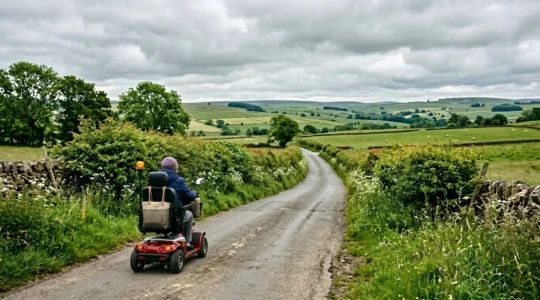
Choosing a Class 3 scooter is a strategic move to maintain independence, not just a technical purchase; success depends on matching the machine to your lifestyle, not just the legal requirements. The real value of a premium Lithium battery lies…
Lire la suite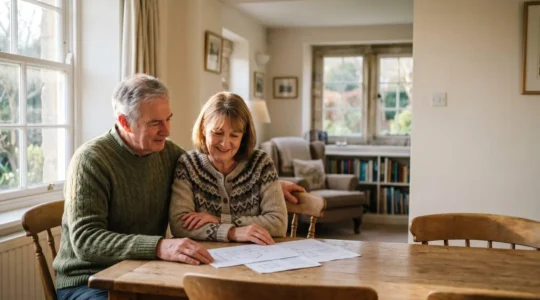
The biggest challenge of UK retirement isn’t financial security, but the loss of identity that follows the end of a career. Retirement planning often focuses on filling time with generic hobbies, which can lead to passivity and disconnection. A ‘Purpose…
Lire la suite