
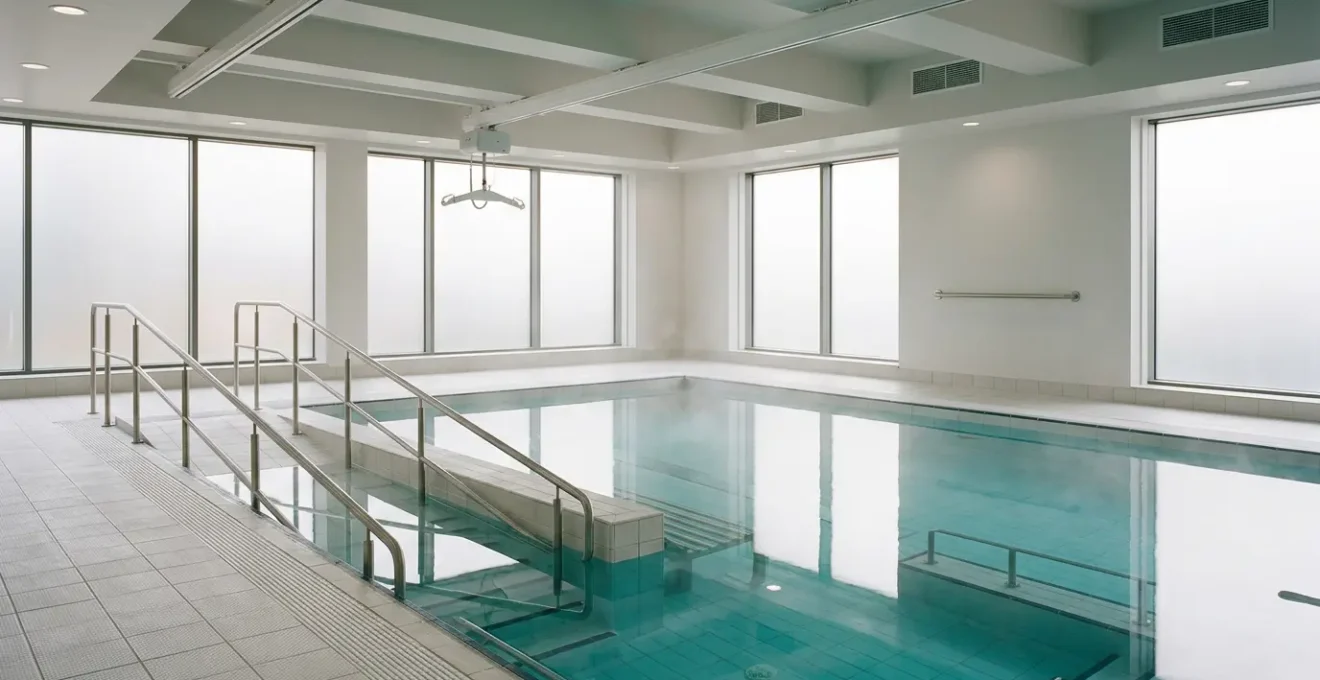
The key to unlocking hydrotherapy for arthritis isn’t just knowing its benefits, but mastering the system to access it, whether through the NHS or private routes.
- The specific water temperature of a hydrotherapy pool (around 34°C) is a non-negotiable clinical requirement for effective pain relief, unlike a standard leisure pool.
- A « Functional Impact Diary » is your most powerful tool for demonstrating the need for a specialist referral to a dismissive GP.
Recommendation: Before visiting any facility, use a structured checklist to audit its true accessibility, focusing on hoists, changing rooms, and staff training.
Living with severe arthritis often means navigating a world of constant pain and limited mobility. Well-meaning advice to « try swimming » can feel frustrating, as the cold water and physical exertion of a standard leisure centre pool can often do more harm than good. The real, evidence-backed solution for many is hydrotherapy—a specific form of treatment in warm water that provides near-instant relief and improves long-term function. Yet, accessing it can feel like a complex maze of GP appointments, long waiting lists, and confusing private options.
Many believe the main hurdle is simply getting a referral. While that is a critical step, the challenge runs deeper. It involves understanding the crucial clinical differences between pool types, knowing how to advocate for yourself effectively within the NHS system, and making informed, financially sound decisions if you choose to go private. This guide moves beyond the basics. It’s a strategic roadmap designed to empower you. We will not just tell you that warm water helps; we will explain the science behind it, give you the exact language to use with your GP, and provide the tools to assess whether a facility can truly meet your needs.
This article breaks down the entire process, from understanding the fundamental principles of pain relief in water to navigating the financial and logistical pathways to treatment. Follow this guide to turn a frustrating search into a successful journey toward relief.
Summary: Navigating Your Path to Warm Water Therapy
- Why does water reduce your body weight by 90%, relieving pain instantly?
- How to find pools with accessible changing rooms and hoists?
- Leisure pool (28°C) vs Hydrotherapy (34°C): why does it matter for fibromyalgia?
- The mistake of walking barefoot on wet poolside tiles
- How the ‘chat in the shallow end’ combats loneliness?
- How to get a referral to a pain management clinic when your GP says ‘just take paracetamol’?
- NHS private patient units vs private hospitals: where is your money safer?
- NHS waiting lists vs Private treatment: How to self-fund the gap affordably?
Why does water reduce your body weight by 90%, relieving pain instantly?
The immediate sense of relief upon entering a warm hydrotherapy pool is not just a feeling; it’s physics at work. The primary principle is buoyancy. When you are immersed in water up to your neck, the water supports your body, effectively reducing your weight by a significant margin. In fact, hydrotherapy research shows that buoyancy can reduce your perceived body weight by approximately 90%. For someone with severe arthritis, this is a game-changer. Joints that are normally compressed and painful are suddenly unloaded, allowing for gentle movement without the usual strain and impact. This dramatic reduction in joint loading is the first step to breaking the cycle of pain and stiffness.
But the benefits go beyond simple weightlessness. The warm water and gentle pressure also interact with your nervous system to actively block pain signals. This is explained by a concept known as the « gate control theory of pain. » As leading hydrotherapy research explains:
According to the gate control theory of pain, pleasant sensations like massage can interrupt pain signals traveling to your brain by essentially closing the neurological gates.
– Hydrotherapy research literature, Bear Naked Hot Tubs
The sensation of warm water, combined with the hydrostatic pressure on your skin, creates a wealth of these « pleasant sensations. » This sensory input travels along large nerve fibres to the spinal cord, effectively « closing the gate » and preventing pain signals, which travel on smaller nerve fibres, from reaching the brain. The result is a powerful, non-pharmacological analgesic effect, providing an immediate and profound sense of comfort.
How to find pools with accessible changing rooms and hoists?
True accessibility goes far beyond a ramp at the entrance. For individuals with severe arthritis or other mobility impairments, the details of the changing rooms and pool entry systems are what make participation possible or impossible. A simple « yes » to the question « Is it accessible? » is not enough. You must become a proactive auditor, armed with specific questions to uncover the reality of a facility’s setup. Many centres lack the necessary equipment, or their staff may not be trained to use it, creating a barrier to entry that is both physical and daunting.
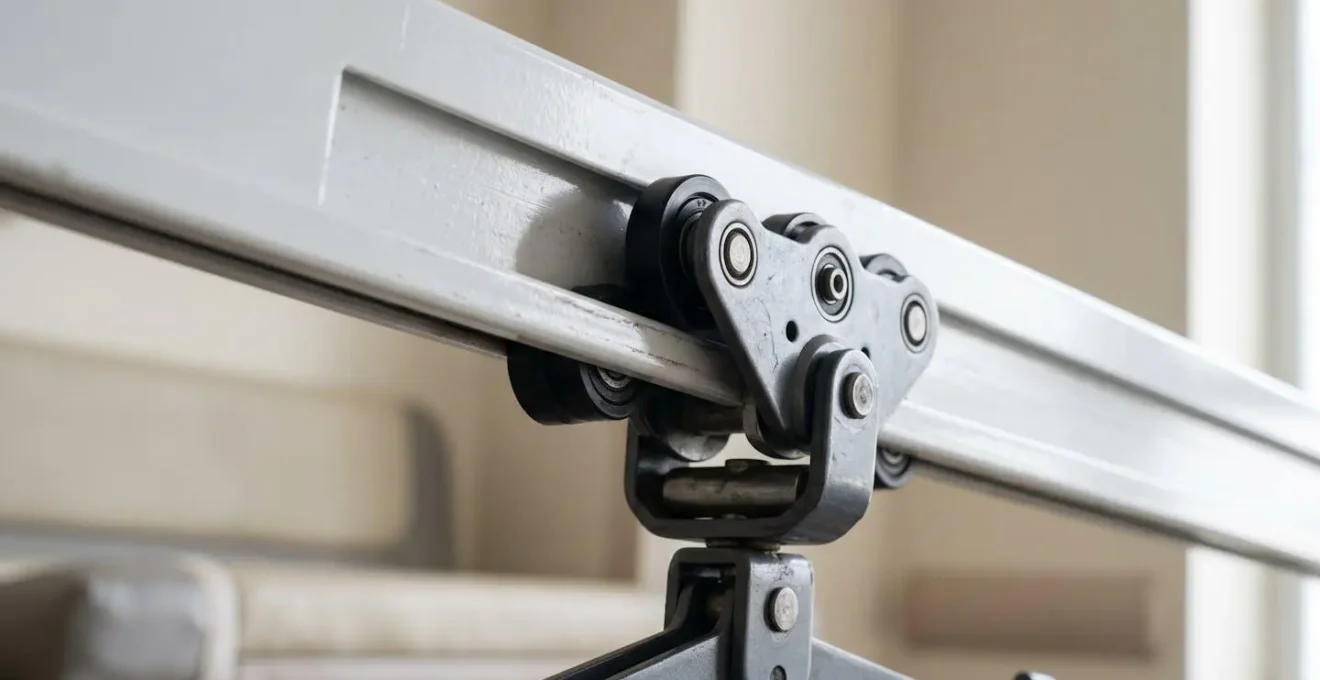
The gold standard for accessible changing facilities in the UK is the Changing Places specification. These are rooms equipped with an adult-sized changing bench and a hoist system. The presence of over 1,800 registered Changing Places toilets across the UK is a positive sign, but you must still verify the specifics of any pool you plan to visit. The image below shows the kind of equipment, like a ceiling track hoist, that indicates a truly accessible facility.
To avoid a wasted and disheartening trip, you need to conduct a thorough accessibility audit by phone before you even consider visiting. The following checklist gives you the precise questions to ask to determine if a facility can genuinely accommodate your needs.
Your Accessibility Audit Checklist for Pool Facilities
- Ask about the hoist: « What specific type of hoist do you have—a ceiling track system or a mobile poolside hoist? » (A ceiling track is often safer and easier to use).
- Confirm staff training: « Are your staff members trained and insured to assist with hoist transfers, and do you provide the slings, or must I bring my own? »
- Verify changing room access: « What is the clear width of the changing room door, and is there level, step-free access from the changing room to the poolside? »
- Check for essential equipment: « Do you have a height-adjustable, adult-sized changing bench and adequate space for a carer to assist? »
- Clarify poolside safety: « Is the poolside surface non-slip, and is there a ramp or sloped-entry access into the water itself, or is it only ladders? »
Leisure pool (28°C) vs Hydrotherapy (34°C): why does it matter for fibromyalgia?
One of the most common and critical misunderstandings is that any warm pool is a hydrotherapy pool. This is fundamentally incorrect, and the difference in temperature is not a matter of comfort but of clinical efficacy. A standard leisure or fitness pool is typically kept at around 28°C. In contrast, a true hydrotherapy pool is maintained at a much higher temperature. For example, NHS hydrotherapy facilities typically maintain water temperatures between 34°C and 36°C. This 6-8 degree difference represents a critical « thermal threshold » for therapeutic benefit.
For conditions characterized by muscle stiffness, chronic pain, and sensitivity, such as fibromyalgia and severe arthritis, this thermal threshold is paramount. The warmer water works on the body in several key ways. Firstly, it significantly increases blood flow to the muscles, delivering more oxygen and helping to flush out pain-inducing substances. This vasodilation effect helps to reduce muscle spasm and stiffness, a primary complaint for fibromyalgia sufferers. At 28°C, the body can still lose heat to the water, which can cause muscles to tense up, negating the potential benefits.
Secondly, the higher temperature has a direct soothing effect on nerve endings, further contributing to the pain relief described by the gate control theory. The enveloping warmth helps to calm an over-sensitized nervous system, which is a hallmark of fibromyalgia. Exercising in water at 34°C or higher allows for a greater range of motion and less pain during movement, enabling a level of activity that would be impossible on land or in a cooler pool. Therefore, when seeking treatment, insisting on a pool that meets this thermal threshold is not a preference; it is a clinical necessity for achieving meaningful results.
The mistake of walking barefoot on wet poolside tiles
While the focus is rightly on the benefits within the water, the journey to and from the pool presents one of the greatest risks: a slip and fall on wet tiles. For a senior with arthritis, whose balance may already be compromised and whose bones may be more brittle, a fall can be catastrophic. It’s a mistake that can instantly erase any therapeutic progress and lead to severe injury. The consequences are far more serious than a simple bruise; they can lead to life-altering events like a hip fracture.
The statistics surrounding such injuries for older adults are sobering. A fall leading to a hip fracture is not just a temporary setback. According to data from organisations like Age UK, the associated health complications can be severe, with studies showing an increased one-year mortality rate of between 18% and 33% for elderly patients following such an injury. This stark reality underscores why prevention is absolutely non-negotiable. The smooth, constantly wet surface of a poolside is an incredibly high-risk environment, and walking barefoot is an unnecessary gamble.

The solution is simple, affordable, and highly effective: invest in a pair of non-slip aqua shoes or socks. These are specifically designed with textured, high-grip soles to provide secure footing on wet, slippery surfaces. They should be considered an essential piece of equipment, just as important as your swimsuit. Wearing them from the moment you leave the changing room until you are safely in the pool (and again upon exiting) dramatically reduces your risk of a fall. It is a small, easy habit that provides a crucial layer of safety, ensuring your hydrotherapy journey remains a positive and healing one.
How the ‘chat in the shallow end’ combats loneliness?
The physical benefits of hydrotherapy are clear, but the impact on mental well-being and social connection is just as profound. Chronic pain is an isolating experience, often leading to a withdrawal from social activities and a subsequent increase in loneliness, anxiety, and depression. A hydrotherapy session offers a unique environment that gently counters this isolation. It is a shared space where individuals with similar experiences can connect in a low-pressure, supportive setting. Research consistently demonstrates that participants in regular aquatic therapy experience a significant reduction in symptoms of anxiety and depression.
This « chat in the shallow end » is more than just casual conversation; it’s a form of peer support. Being in a warm, soothing environment where everyone is experiencing similar relief creates a natural sense of camaraderie. It provides an opportunity to share experiences, exchange tips, and simply feel understood. For someone who may spend much of their time at home due to pain, this regular, scheduled social interaction can be a lifeline, rebuilding confidence and providing a crucial sense of community and belonging.
However, striking up a conversation can feel daunting, especially if you’re feeling low. The key is to use the shared environment as a natural icebreaker. You already have a powerful common ground. Here are a few low-stakes conversation starters to help you connect with others in the group:
- Temperature opener: « This warmth is just wonderful for my joints, isn’t it? How are you finding it? »
- Exercise sharing: « I’ve been trying some gentle leg stretches. Have you found any particular movements that really help you? »
- Experience exchange: « This is only my third session, but I’m already feeling a difference. How long have you been coming? »
- Gentle advice-seeking: « I’m still figuring out the best way to get in and out of the pool. Do you have any tips? »
- Condition empathy: « I find the buoyancy makes such a huge difference for my back pain. Is it the same for you? »
How to get a referral to a pain management clinic when your GP says ‘just take paracetamol’?
One of the most disheartening barriers to accessing NHS hydrotherapy is a GP who dismisses your chronic pain with simplistic advice like « just take paracetamol » or « it’s just your age. » To overcome this, you must shift your approach from subjectively describing your pain to objectively demonstrating its impact on your life. A GP responds to evidence, and your role is to provide it in a clear, structured format. The single most effective tool for this is a « Functional Impact Diary. » This is not a pain diary where you just score pain out of 10; it’s a detailed log of how your condition prevents you from functioning day-to-day.
This strategy is directly in line with official guidance. As the National Institute for Health and Care Excellence (NICE) highlights in its guidelines, therapeutic exercise programmes, including hydrotherapy, should be considered for people with conditions like osteoarthritis. By presenting your diary, you are not just complaining about pain; you are providing the clinical evidence that your current management is failing and that a specialist referral is warranted under these national guidelines. Presenting this structured evidence changes the dynamic of the conversation from a subjective plea to an objective review of functional decline.
Your diary transforms vague complaints into concrete facts that a clinician cannot easily ignore. « I’m in a lot of pain » becomes « I was unable to lift the kettle to make tea on three separate occasions this week. » This is the language of clinical assessment. Follow this plan to create a compelling case for your referral.
Your Action Plan: The Functional Impact Diary
- Track for 2 weeks: Document specific examples of functional impact, not just pain scores.
- Record daily limitations: Write down concrete examples, such as: « Pain level 7/10: Could not lift a full kettle to make tea. » or « Could not bend down to tie my shoelaces. »
- Document sleep disruption: Note how many times you woke up due to pain and the effect it had the next day, e.g., « Woke 4 times last night; was too fatigued to go to the shop today. »
- Measure mobility loss: Be specific about distances. « Was unable to walk the 50 metres to the local post box without stopping. »
- Log medication ineffectiveness: Explicitly state when standard painkillers have failed. « Took maximum dose of paracetamol for 6 weeks with no discernible relief in functional ability. »
Key Takeaways
- The science of hydrotherapy relief combines the physical unloading of joints through buoyancy with the neurological blocking of pain signals via the Gate Control Theory.
- A « Functional Impact Diary, » documenting specific daily limitations rather than just pain scores, is the most effective tool for securing a specialist referral from a reluctant GP.
- NHS Private Patient Units (PPUs) offer a crucial « clinical safety net » with on-site emergency resources, a key advantage over many standalone private hospitals.
NHS private patient units vs private hospitals: where is your money safer?
When facing a long NHS waiting list, paying for treatment yourself can seem like a straightforward solution. However, « going private » presents a critical choice: using a standalone private hospital or a Private Patient Unit (PPU) located within an NHS hospital. While both offer faster access to care, they are fundamentally different in their structure, and this difference has significant implications for your safety. For a senior with underlying health conditions, the most important factor is not the luxury of the room but the robustness of the clinical safety net.
A standalone private hospital is often marketed with an emphasis on comfort and service, akin to a hotel. However, their on-site emergency facilities can be limited. If a serious, unexpected complication arises during or after your treatment, you may need to be transferred by ambulance to the nearest NHS A&E, losing critical time. In contrast, an NHS PPU provides private care within the physical infrastructure of a major NHS hospital. This means that the full spectrum of emergency support—including an Intensive Care Unit (ICU), crash teams, and a wide range of on-site specialists—is immediately available, just down the corridor. This provides an unparalleled level of clinical security.
Furthermore, there is an ethical dimension to the choice. Profits generated by a standalone private hospital go to shareholders. Profits from an NHS PPU are reinvested directly back into the host NHS Trust, helping to fund public services. This means you can get the faster treatment you need while simultaneously supporting the public health system. The following table breaks down the key differences to help you make an informed decision.
| Feature | NHS Private Patient Unit (PPU) | Standalone Private Hospital |
|---|---|---|
| Emergency Support | Full NHS hospital resources on-site (ICU, crash teams, diverse specialists) | Limited on-site emergency facilities; may transfer to NHS for complications |
| Clinical Safety Net | Immediate access to major hospital infrastructure | Dependent on transfer protocols |
| Revenue Model | Profits reinvested into host NHS Trust | Profits go to private shareholders |
| Ethical Choice | Supports public health system while getting faster treatment | Purely commercial transaction |
| Accommodation | Clinical excellence prioritized; standard hospital amenities | Luxury hotel experience (private rooms, premium food) |
| Primary Focus | Clinical security and safety | Personal comfort and service |
NHS waiting lists vs Private treatment: How to self-fund the gap affordably?
Facing a long wait for NHS hydrotherapy can be demoralising when you’re in daily pain. Self-funding is a valid alternative to bridge the gap, but the prospect of high costs can be daunting. While a full course of treatment can be expensive, with supervised sessions often costing a few hundred pounds, there are several practical strategies you can employ to make it more affordable. The key is to look beyond simply paying out-of-pocket and explore the ecosystem of financial support that exists specifically for this purpose.
Your first port of call should be the vast network of charities and benevolent funds in the UK. Many of these organisations provide grants to individuals with specific health conditions to help cover the costs of therapies, equipment, and respite care that are not readily available on the NHS. These are not loans; they are grants that you do not have to pay back. Navigating this landscape can seem complex, but dedicated online tools and organisations exist to simplify the search. You should systematically investigate these avenues before committing your own funds.
Here are several concrete strategies for finding the financial support to self-fund your treatment affordably:
- Use dedicated grant search engines: Websites like Turn2us host powerful search tools that allow you to find charitable funds based on your health condition, location, and even former profession.
- Contact condition-specific charities: Major charities like Arthritis Action and the MS Society have dedicated grant programmes to help their members access therapies like hydrotherapy.
- Explore local benevolent funds: Your local Citizens Advice Bureau can help you identify and apply for smaller, local benevolent funds that may offer support.
- Inquire at the hospital: Some hospitals have their own patient support funds or can direct you to associated charities that help patients bridge treatment gaps.
By taking a proactive and structured approach to seeking financial aid, you may find that self-funding your hydrotherapy is far more achievable than you initially thought. This allows you to gain access to pain-relieving treatment sooner, improving your quality of life while you wait for NHS services.
The next logical step is to begin documenting your symptoms using the Functional Impact Diary strategy and start researching local facilities using the accessibility audit provided. This proactive approach will put you in the strongest possible position to access the care you need, whether through the NHS or by securing funding for a private alternative.