

Your NHS Health Check isn’t a final report card, but the starting point for a proactive partnership in managing your long-term health.
- Your results sheet provides a crucial health baseline, especially for silent risks like high blood pressure.
- Modern wearables can be powerful tools for monitoring conditions like Atrial Fibrillation, but they require careful setup and interpretation to avoid anxiety.
- The goal is to transform these numbers into a data-driven conversation with your GP or pharmacist, leading to better, more personalised care.
Recommendation: Use this guide to understand the context behind your results, then prepare specific, data-backed questions for your next medical appointment.
Receiving the letter with your NHS Health Check results can feel like waiting for a verdict. For many people over 65, a note saying « all clear » or « within normal range » is a source of relief, and the letter is promptly filed away. However, as a GP focused on preventive medicine, I encourage my patients to see this differently. Those numbers—your blood pressure, cholesterol, and blood sugar—are not an endpoint. They are your personal health baseline, a crucial starting point for understanding how your body is functioning today and how you can protect it for tomorrow.
The standard advice to « eat well and stay active » is, of course, fundamentally true. But it lacks the specificity needed to make a real difference. The true value of your health check lies in what you do next. It’s about translating those static figures into a dynamic understanding of your health. This involves learning how to monitor key indicators yourself, leveraging technology like smartwatches to detect irregularities, and knowing when a deeper, private health « MOT » might be beneficial. It’s also about recognising the psychological pitfalls of over-monitoring.
This guide is designed to empower you to move beyond a passive « it’s fine » mindset. We will break down what your results truly signify, not just as isolated numbers but as signals. My goal is to equip you to have more meaningful, data-driven conversations with your GP and pharmacist. Think of this article not as medical advice, but as a coaching manual for becoming a more engaged and knowledgeable steward of your own health. By understanding the context, you transform your health check from a simple screening into a powerful tool for preventive care.
In the following sections, we will explore the nuances of your results and the proactive steps you can take. This structured approach will help you understand the risks, the tools at your disposal, and how to partner effectively with your healthcare team.
Summary: A GP’s Guide to Interpreting and Acting on Your NHS Health Check
- Why is high blood pressure called the ‘silent killer’ in the UK senior population?
- How to set up an Apple Watch or Fitbit to detect Atrial Fibrillation reliably?
- NHS standard screening vs private full-body MOTs: is the extra £500 worth it?
- The mistake of obsessively checking vitals that leads to ‘cyberchondria’
- How to prepare for a pharmacist medication review to reduce your daily pill count?
- The mistake of taking blood pressure only when stressed, skewing the data
- Why is the ‘Expert Patient Programme’ highly recommended for diabetes control?
- How to get onto an NHS ‘Virtual Ward’ program for heart failure monitoring?
Why is high blood pressure called the ‘silent killer’ in the UK senior population?
High blood pressure, or hypertension, earns its ominous nickname because it typically presents with no symptoms. You can feel perfectly well while, internally, your arteries and vital organs are under sustained, damaging strain. This is particularly dangerous in the senior population, where the cumulative effects of years of elevated pressure can lead to catastrophic events like a heart attack or stroke without any prior warning. The lack of symptoms means millions of people are unaware they are at risk. In fact, it is estimated that in England alone, there are 4.1 million people with undiagnosed hypertension, walking around with a significant, unmanaged risk factor for cardiovascular disease.
Your NHS Health Check is one of the most effective tools we have to combat this. It is a dedicated moment to capture that number and assess your risk. A single high reading in the clinic doesn’t automatically mean you have hypertension—factors like stress or recent activity can temporarily raise it—but it is a critical signal that warrants further investigation, usually through home monitoring.
Around a third of adults in the UK have high blood pressure, often without realising it as it has no symptoms.
– Regina Giblin, Senior Cardiac Nurse, British Heart Foundation statement to NHS England
Understanding this « silent » nature is the first step to taking your blood pressure reading seriously, even if you feel fit and healthy. It’s not a measure of your current fitness, but an indicator of your internal, long-term cardiovascular health. Ignoring a borderline or high reading because you « feel fine » is one of the most common and dangerous mistakes I see in my practice. That number on your results sheet is your body’s most important early warning system.
How to set up an Apple Watch or Fitbit to detect Atrial Fibrillation reliably?
Beyond blood pressure, your heart’s rhythm is another vital sign. Atrial Fibrillation (AFib), an irregular and often rapid heart rate, is a major cause of stroke, and like hypertension, it can be intermittent and asymptomatic. Modern smartwatches with ECG (electrocardiogram) capabilities, like the Apple Watch, have become remarkably effective screening tools. They are not a substitute for a hospital-grade 12-lead ECG, but their ability to spot-check your rhythm anytime offers a powerful way to catch irregularities. A 2025 meta-analysis confirmed their value, finding an Apple Watch ECG demonstrated 94.8% sensitivity and 95% specificity for detecting AFib, making it a highly reliable screening device.
However, to get reliable data, the device must be set up correctly. For instance, the ‘AFib History’ feature on an Apple Watch is designed for users who already have a physician’s diagnosis. It tracks the frequency of AFib episodes over time, providing valuable data for your cardiologist. To enable it, you must follow a specific process:
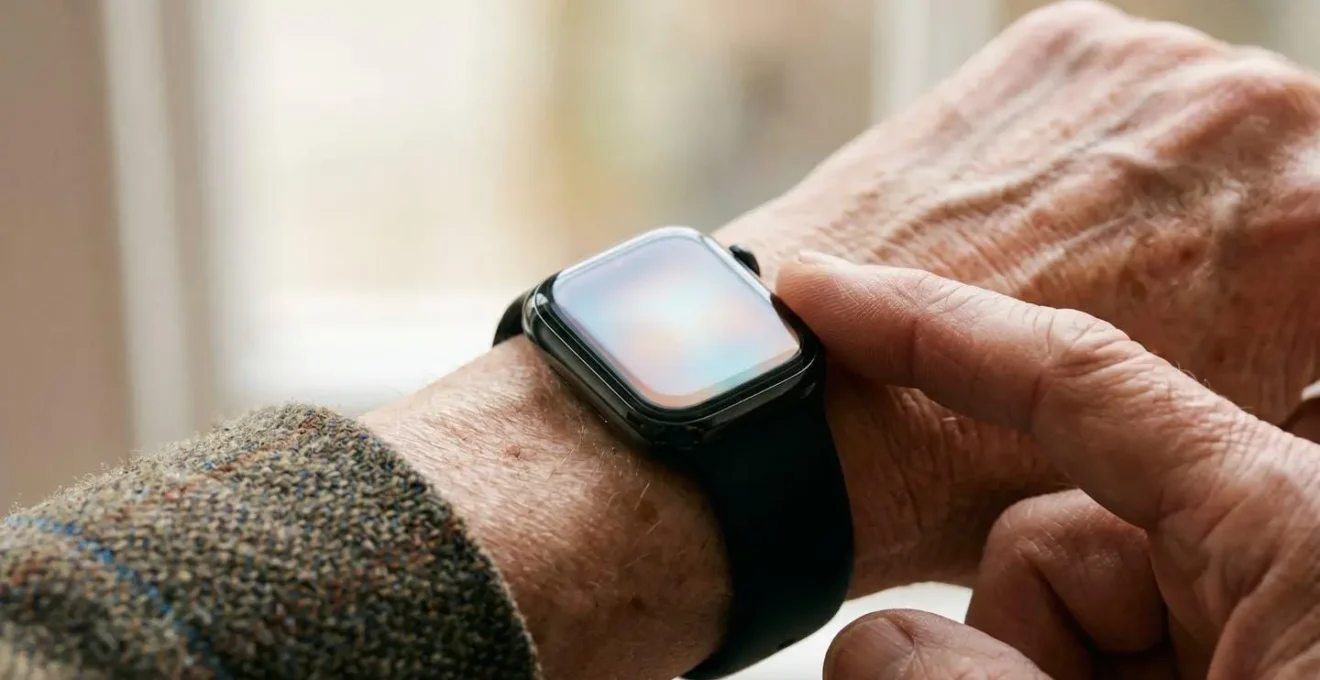
Setting up the feature correctly is paramount. Follow these steps for Apple Watch’s AFib History:
- First, you must have a formal diagnosis of AFib from your doctor. This feature is for monitoring, not initial diagnosis.
- Ensure your iPhone and Apple Watch are updated to the latest software versions.
- You need to wear your watch consistently—at least 12 hours a day, 5 days a week—for the algorithm to generate reliable estimates.
- Check that ‘Heart Rate’ and ‘Wrist Detection’ are enabled in your watch settings.
- Finally, open the Health app on your iPhone, navigate to Heart > AFib History, and complete the on-screen setup.
Using these tools correctly transforms a passive health interest into proactive monitoring. An alert from your watch doesn’t automatically mean disaster; it means you have a piece of data to discuss with your GP, a concrete reason to book an appointment and say, « My watch flagged this at 3 pm on Tuesday, can we investigate? »
NHS standard screening vs private full-body MOTs: is the extra £500 worth it?
After receiving your NHS Health Check results, a common question arises: is this enough, or should I invest in a private, comprehensive « full-body MOT »? The answer depends entirely on your personal health goals, risk factors, and financial situation. The NHS Health Check is a free, publicly funded programme with a very specific and effective focus: preventing heart disease, stroke, diabetes, and kidney disease. Its success is not to be understated; research has shown that the programme has already prevented an estimated 8,400 heart attacks and strokes.
A private MOT, on the other hand, offers a much wider, but less focused, lens. It tests for a vast array of markers, from vitamins and hormones to specific cancer indicators, and often includes imaging like CT or MRI scans. This can be valuable for establishing a deep and comprehensive health baseline or for investigating vague symptoms. However, it can also create anxiety by flagging minor, clinically insignificant abnormalities, leading to further tests and worry. The key difference lies in their philosophy: the NHS check is a targeted risk-screening tool, while a private MOT is a broad health-auditing tool.
The following table breaks down the core differences to help you decide if the extra cost is justified for your needs.
| Feature | NHS Health Check | Private Full Body MOT |
|---|---|---|
| Cost | Free | £169 – £3,350+ |
| Eligibility | Ages 40-74, every 5 years | Any age, any time |
| Blood markers tested | 5-10 basic markers (cholesterol, blood sugar) | 45-100+ comprehensive markers (hormones, vitamins, organ function) |
| Results turnaround | 1-4 weeks (including GP follow-up) | 2-5 working days |
| Imaging included | No (unless clinically indicated) | Yes (CT, MRI options in advanced packages) |
| Focus | Cardiovascular risk screening | Preventative, comprehensive health baseline |
Ultimately, a private MOT is not an « upgrade » to an NHS check but a different service altogether. My advice is to always start with the free NHS Health Check. If its results, combined with your family history and personal concerns, point to a specific area of worry, then a targeted private test may be a sensible next step—but a full, untargeted MOT is often an expensive and anxiety-inducing journey for little clinical benefit.
The mistake of obsessively checking vitals that leads to ‘cyberchondria’
While technology offers incredible tools for proactive monitoring, there is a significant downside: the risk of developing health anxiety, or « cyberchondria. » This is a modern phenomenon where constant access to health data from wearables and online symptom checkers leads to excessive worry and a heightened state of alert about one’s health. You start by checking your blood pressure or ECG out of curiosity, but soon you’re doing it multiple times a day, searching for tiny deviations from « perfect » and interpreting every minor fluctuation as a sign of impending doom.
This behaviour creates a vicious cycle. The stress of checking and worrying can itself raise your blood pressure and heart rate, which then « confirms » your fears and prompts you to check even more. It’s crucial to learn to distinguish between a genuine signal (a consistent, significant change) and physiological noise (the normal, minor ups and downs of your body). Your heart rate will naturally increase after a coffee or a short walk; your blood pressure will vary throughout the day. This is normal, not a cause for alarm.

Case Study: Wearable-Induced Anxiety in AFib Patients
A 2024 study examined 30 patients with diagnosed AFib who used Apple Watches for six months. Researchers discovered that the continuous monitoring imposed a significant emotional and cognitive burden. Patients became highly anxious from misinterpreting normal physiological changes or smartwatch alerts, leading them to seek unnecessary medical consultations even when they felt perfectly fine. This highlights the real-world impact of data overload without proper context.
As experts in the field have noted, the data stream from wearables can be a double-edged sword. In a 2020 article in the Cardiovascular Digital Health Journal, Dr. Lindsey Rosman and her colleagues warned, « Although unlimited access to digital health information can motivate some individuals to engage in healthy behaviors, these data may inadvertently contribute to pathologic symptom monitoring and impaired function in others. » The key is to use these devices as tools for structured, periodic checks—not as a constant source of reassurance.
How to prepare for a pharmacist medication review to reduce your daily pill count?
For many seniors, a growing number of daily medications—a phenomenon known as polypharmacy—is a significant concern. An NHS Health Check can be the perfect trigger to request a Structured Medication Review (SMR) with your local clinical pharmacist. Their goal isn’t just to dispense pills, but to optimise your treatment, reduce side effects, and potentially « deprescribe » or lower doses of medications that are no longer necessary. However, to make this review effective, you must prepare for it. A data-driven conversation is far more productive than a vague chat.
Start by gathering your evidence. First is the classic « brown bag review »: bring all your medications, including prescriptions, over-the-counter drugs, vitamins, and herbal supplements, in a single bag. This gives the pharmacist a complete picture of everything you’re taking. Second, bring your data. This includes your recent NHS Health Check results and, crucially, any home monitoring logs you’ve kept for blood pressure or blood sugar. A week’s worth of organised readings is infinitely more valuable than a single clinic reading.
Finally, prepare your questions and goals. Think about what you want to achieve. Are you experiencing specific side effects like dizziness or fatigue? Do you find the medication schedule confusing? Is your goal to reduce the total number of pills you take each day? Write these down. A well-prepared patient might ask:
- « Given my stable blood pressure readings at home for the last month, is it possible to review the dose of my amlodipine? »
- « I take this statin for cholesterol, but I’m experiencing muscle aches. Are there alternatives we could consider? »
- « I’m taking pills for blood pressure, diabetes, and a water pill. Could any of these be interacting or simplified into a combination pill? »
This proactive approach changes the dynamic. You are no longer a passive recipient of medicine; you are an active partner in your treatment plan. By presenting clear data and specific goals, you enable the pharmacist to make safer, more effective decisions, helping you streamline your regimen and improve your quality of life.
The mistake of taking blood pressure only when stressed, skewing the data
One of the most common errors in home blood pressure monitoring is measuring only when you feel stressed, dizzy, or unwell. This is known as « symptom-prompted monitoring, » and it provides a skewed, unrepresentative picture of your health. When you’re anxious, your body releases adrenaline, which naturally and temporarily raises your blood pressure. If these are the only readings you record, your log will look consistently high, which could lead your GP to unnecessarily prescribe or increase medication. It’s a classic case of creating bad data that leads to a bad decision.
The purpose of home monitoring is to establish your true resting baseline—your blood pressure when your body is calm. This is the number that reflects the underlying state of your cardiovascular system, not your reaction to a stressful moment. Your NHS Health Check provides an initial snapshot, and recent research suggests it is effective, with around 1 in 40 people being diagnosed with high blood pressure as a result of the screening. Your job at home is to build on that snapshot with a reliable video, not a series of alarmist still photos.
To get accurate data your GP can trust, you must follow a strict, consistent protocol. The British Heart Foundation provides an excellent, evidence-based method that I recommend to all my patients. Adhering to this routine ensures your readings are comparable and clinically useful.
Your Action Plan: The Correct Blood Pressure Measurement Protocol
- Rest: Sit quietly in a comfortable chair for at least 5 minutes before taking your reading. Avoid talking, using your phone, or watching television during this time.
- Relax: Ensure your back is supported, your feet are flat on the floor (not crossed), and your arm is supported on a table at the level of your heart.
- Repeat: Take three separate readings, each 1 minute apart. Discard the first reading (it’s often artificially high) and calculate the average of the second and third readings. This is the number you should record.
- Consistency: Measure at the same time each day, ideally once in the morning (before medication) and once in the evening. Do this for 7 consecutive days before your GP appointment.
- Record: Log all your averaged readings with the date and time. Make a note of any unusual factors, such as a particularly stressful day, poor sleep, or caffeine intake.
By following this structured approach, you provide your doctor with a reliable dataset, enabling a far more accurate diagnosis and treatment plan. This is the essence of a data-driven conversation about your health.
Why is the ‘Expert Patient Programme’ highly recommended for diabetes control?
For those whose NHS Health Check flags high blood sugar (HbA1c) and leads to a diagnosis of Type 2 diabetes, the initial feeling can be overwhelming. Beyond medication, the cornerstone of long-term diabetes management is lifestyle change, which requires knowledge and confidence. This is precisely where the NHS ‘Expert Patient Programme’ (EPP) comes in. It’s a free, self-management course designed to empower people living with long-term health conditions, like diabetes, to take more control of their health.
The philosophy of the EPP is simple but powerful: you are the expert on your own body and your life. While doctors and nurses are experts on the disease, you are the one who lives with it day in and day out. The programme doesn’t just lecture you on what to eat or do. Instead, it’s a peer-led workshop that teaches you practical skills for managing your condition effectively. It’s run by trained tutors who themselves are living with a long-term condition, creating an environment of shared experience and mutual support that is incredibly valuable.
Participants in the EPP learn about a wide range of topics, including:
- Symptom Management: Techniques for dealing with pain, fatigue, and difficult emotions.
- Medication and Nutrition: Understanding your treatment, making healthier food choices, and interpreting food labels.
- Communication Skills: How to have more effective, collaborative conversations with your healthcare team.
- Goal Setting: Creating achievable action plans for exercise, diet, and other lifestyle changes.
In my experience, patients who complete the EPP are more confident, have a better understanding of their condition, and are more successful at managing their blood sugar levels. They move from being a passive patient to an empowered partner in their own care. If you are diagnosed with diabetes or another chronic condition, I strongly recommend asking your GP or practice nurse for a referral to a local Expert Patient Programme. It can be a truly transformative step in your health journey.
Key Takeaways
- Your NHS Health Check is a starting point, not a final verdict. Use it to establish a personal health baseline.
- Home monitoring with a consistent, calm protocol provides the most valuable data for your GP.
- Wearable technology is a powerful screening tool but can fuel anxiety if not used judiciously. Distinguish signal from noise.
How to get onto an NHS ‘Virtual Ward’ program for heart failure monitoring?
For patients with more advanced conditions like heart failure, managing health at home takes on even greater importance. The NHS is increasingly using an innovative model of care called ‘Virtual Wards’ to support this. A Virtual Ward allows patients who would otherwise be in hospital to be monitored and cared for safely in the comfort of their own homes. This is not for everyone; it’s designed for individuals with specific conditions, most notably heart failure or COPD, who are at high risk of hospital admission but are currently stable enough to be at home.
Getting onto a Virtual Ward programme isn’t typically something you can self-refer to on a whim. Admission is a clinical decision, usually made by a hospital team upon discharge or by a specialist community team. However, you can significantly improve your chances of being considered a suitable candidate by being proactive. The key is to demonstrate that you are an engaged and reliable partner in your own care.
Here is a practical, step-by-step pathway to discuss your eligibility with your healthcare team:
- Identify Trigger Events: A Virtual Ward is most often considered after a recent hospitalisation for a heart failure flare-up. This is the most crucial time to discuss eligibility with the hospital’s discharge team before you leave.
- Build Your Case with Home Monitoring: If you are not in hospital, you can still build a case. Consistently document 4-8 weeks of daily vital signs: weight (a key indicator of fluid retention in heart failure), blood pressure, oxygen levels, and any symptoms like breathlessness or swelling. This log proves you are a capable candidate for home monitoring.
- Request a Specialist Referral: Take your detailed monitoring log to your next appointment with your GP or cardiologist. Don’t just mention it; show them the data. Explicitly ask, « Given my condition and my ability to self-monitor, could I be considered for our local Virtual Ward programme? What is the referral process? »
- Understand the Daily Routine: If enrolled, you will be provided with equipment (like a pre-configured tablet, blood pressure monitor, and pulse oximeter). You will be expected to submit your readings daily via an app or a phone call. This data is reviewed by a dedicated clinical team who will contact you if any readings are concerning.
- Commit to the Schedule: Success on a Virtual Ward depends on your consistent participation. You must be prepared to dedicate about 15-20 minutes each day to the process.
This model represents the future of chronic disease management—a collaborative system where technology and patient engagement combine to provide hospital-level oversight at home, improving quality of life and preventing emergency admissions.
By viewing your NHS Health Check as the beginning of a conversation, you transform yourself from a patient into a partner. Armed with a deeper understanding of your results, a protocol for accurate home monitoring, and specific questions for your healthcare team, you are now in a position to take meaningful, proactive control of your long-term health. The next logical step is to book a follow-up appointment with your practice nurse or GP to discuss these very points.