
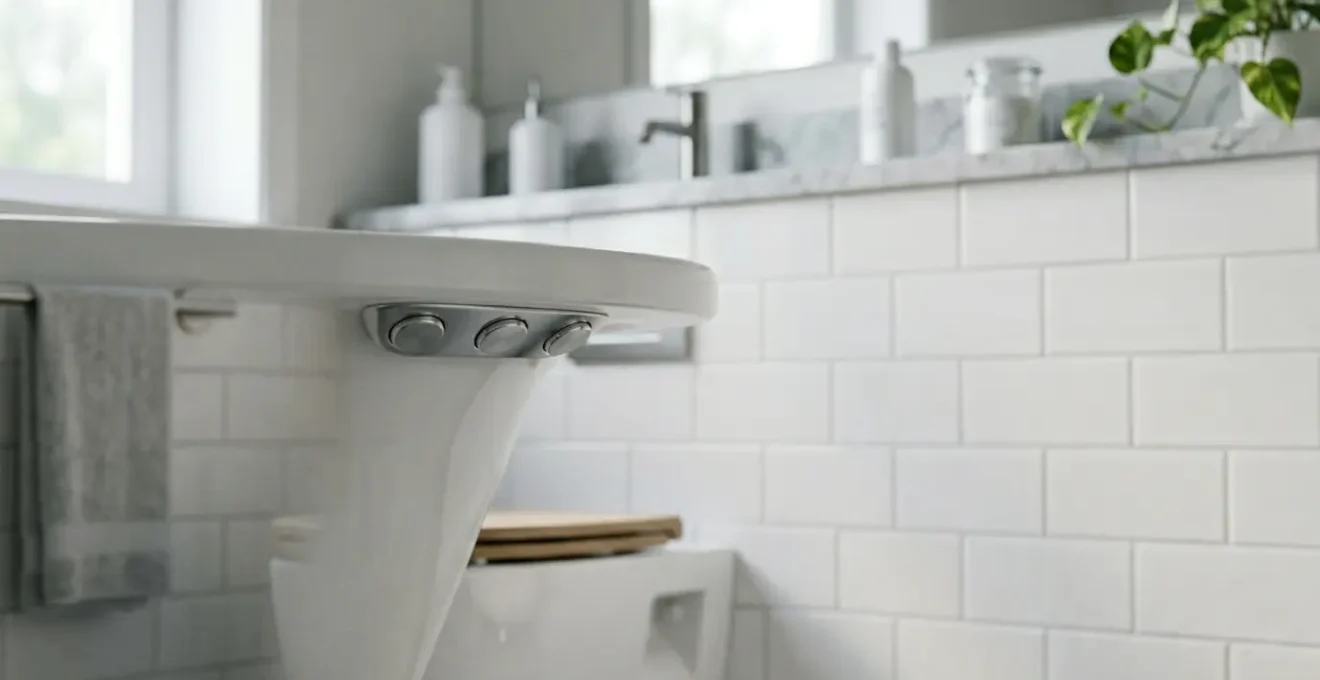
Effective remote care for dementia isn’t about surveillance; it’s about translating subtle data patterns into a coherent health narrative that reveals issues like UTIs before they become emergencies.
- Sensor data, such as toilet flush frequency, creates a personalized digital footprint, establishing a unique health baseline for each individual.
- Artificial Intelligence (AI) doesn’t just count events; it identifies statistically significant deviations—anomalies—from this established baseline.
Recommendation: Shift your focus from looking for visible symptoms to interpreting the data-driven story the sensors are telling. This is the key to pre-symptomatic intervention.
For families providing care for a loved one with dementia, one of the most profound challenges is the silence. Not the silence of an empty house, but the silence of uncommunicated pain or illness. A person who can no longer articulate their discomfort may suffer from a severe condition, like a Urinary Tract Infection (UTI), with the only outward signs being increased confusion or agitation—symptoms often tragically mistaken for a simple progression of their dementia. The conventional approach relies on caregivers becoming detectives, piecing together behavioral clues. This is an exhausting and often inaccurate process.
The conversation around « smart home » technology for seniors often revolves around convenience gadgets or emergency fall buttons. While valuable, this view misses the most revolutionary application of gerontechnology: the ability to create a data-driven health narrative. This isn’t about intrusive cameras or constant surveillance. It is about understanding that subtle shifts in a person’s daily digital footprint—the number of times a toilet flushes, the duration of time spent in bed, or the frequency of kettle use—are often the very first, most reliable indicators of an emerging medical issue.
But what if the key wasn’t just tracking activity, but understanding the story this data tells? This article moves beyond the concept of simple alerts to explore the underlying science of pre-symptomatic detection. We will delve into how AI establishes a personalized baseline of routine, why this learning period is critical, and how deviations from this norm serve as objective, quantifiable red flags for specific conditions. You will learn the protocol for acting on this data, how to present it effectively to a physician, and ultimately, how to use technology not to watch, but to understand and protect.
This guide provides a comprehensive look at the mechanisms behind passive health monitoring. It details how to interpret the data, the ethical considerations involved, and the practical steps to take when a potential health decline is detected, empowering you to intervene with confidence and precision.
Summary: A Researcher’s Guide to Passive Health Monitoring for Dementia Care
- Why is a change in bed occupancy sensors a red flag for depression or pain?
- How to get legal consent to track a parent who lacks mental capacity?
- Smart water bottles vs manual logging: which actually works for seniors?
- The mistake of setting thresholds too low so you get SMS alerts all day
- What to do when the data shows a decline: the protocol for stepping in
- Why does AI take 2 weeks to learn a senior’s routine before alerting?
- How to get a referral to a Memory Clinic through your GP?
- How to differentiate normal ‘senior moments’ from Mild Cognitive Impairment (MCI)?
Why is a change in bed occupancy sensors a red flag for depression or pain?
Before examining toilet sensors, it’s crucial to grasp the core principle of passive monitoring: establishing a baseline and detecting anomalies. Bed occupancy sensors offer a perfect illustration. For a healthy individual, sleep patterns are relatively consistent. A bed pressure sensor doesn’t just register presence or absence; it logs the exact times a person gets into bed, gets out during the night, and wakes up in the morning. Over a couple of weeks, this creates a detailed, personalized sleep signature.
A sudden deviation from this signature is a powerful, objective signal. For instance, increased nighttime restlessness—getting out of bed multiple times—can be a strong indicator of unmanaged pain. Similarly, a significant shift in sleep duration, such as spending much more time in bed (hypersomnia) or experiencing severe sleep fragmentation, is a known physiological symptom of depression in older adults. The sensor data provides a quantifiable, unbiased log of this behavior, which is far more reliable than subjective observation, especially when the person cannot communicate their feelings.
To understand the technology’s reliability, it’s helpful to look at the data. Modern pressure sensor technology is highly refined. In fact, recent research demonstrates a 94% accuracy with 99% sensitivity in detecting a patient’s presence in bed. This level of precision is what allows the system to build a trustworthy behavioral baseline.

As the image above illustrates, the technology itself is discreet, often just a thin mat under the mattress. Its power lies not in the hardware, but in the longitudinal data it collects. A pilot study focusing on seniors with dementia found that using sensor data to guide nighttime wandering back to the bedroom with smart lighting not only improved safety but also led to a significant reduction in depression and anxiety for caregivers. This demonstrates how a simple data point, like bed occupancy, can become part of a proactive and therapeutic care ecosystem.
How to get legal consent to track a parent who lacks mental capacity?
The ethical dimension of passive monitoring is paramount, particularly when the individual being monitored lacks the full mental capacity to provide informed consent. This is not an insurmountable barrier, but it requires a thoughtful and transparent approach that prioritizes dignity and privacy. The goal is to obtain consent based on clear benefits and safeguards, rather than on technical details the person may not grasp. Legally, this often involves working with a legal guardian or someone with Power of Attorney for health decisions, but the ethical process remains the same.
A leading concern is the fear of « being watched. » It is vital to frame the technology around its function: health monitoring, not surveillance. As a Stanford Medicine research team noted in a study on the ethics of smart health technology, the core issues revolve around privacy, data protection, and fairness. The researchers state:
Passive health monitoring and ambient intelligence present numerous ethical, legal, and social issues, particularly for privacy, data protection, fairness and representation, and consent.
– Stanford Medicine Research Team, PMC Study on Smart Toilet Ethics
Addressing these issues head-on is the only path forward. This means being explicit about what data is collected (e.g., anonymized flush counts vs. video), how it is protected (e.g., local processing, de-identification), and who has access to it. The focus should always be on tangible outcomes, such as preventing a UTI-related hospitalization, which is a concrete benefit that families can understand and support.
Your Action Plan: The Ethical Consent Framework
- Differentiate data types: Clarify the distinction between passive, anonymized metadata (like toilet flush counts) and more intrusive data (like video). Consent is far easier to achieve for systems that only use metadata.
- Frame around tangible outcomes: Present the monitoring’s purpose with a specific goal, such as, « This sensor helps us know if you’re getting a UTI so we can prevent a hospital stay, » rather than a vague « We want to keep an eye on you. »
- Address privacy proactively: Explain the data protection measures in simple terms. Detail how information is anonymized, who can see the alerts, and confirm there is no third-party access to personal data.
- Implement informed protocols: Use a clear consent protocol that outlines how data is stored, shared, and will be used, ensuring transparency from the start.
- Treat consent as a dialogue: Establish a routine for regular reviews with family members or an appointed ethics advisor. This makes consent an ongoing, trusted process, not a one-time signature.
Smart water bottles vs manual logging: which actually works for seniors?
Hydration is another critical factor in senior health, directly linked to UTI prevention, cognitive function, and overall well-being. For decades, the standard approach has been manual logging—a family member or caregiver reminding the senior to drink and trying to keep a written record. This method is notoriously unreliable. It is labor-intensive, prone to inaccuracies, and often becomes a source of friction, undermining the senior’s sense of autonomy.
Smart water bottles represent a significant leap forward in gerontechnology. These devices don’t just hold water; they create another passive data stream for the individual’s digital footprint. By automatically tracking intake volume and syncing with a smartphone app, they provide precise, real-time data without the need for constant reminders or manual charting. For a caregiver, this transforms a guessing game into an objective metric. Instead of asking, « Did Mom drink enough today? » they can see that her intake was 750ml, 30% below her daily baseline.
The effectiveness of this technology is not theoretical. A randomized trial directly compared a group of individuals using a HidrateSpark smart bottle to a group receiving only standard dietary recommendations for hydration. The results were stark. The study, published in a leading urology journal, found that the smart bottle group achieved a mean urine volume increase of 1.37L. In contrast, the group relying on traditional advice only managed a 0.79L increase. This provides clear, quantitative evidence that automated tracking and reminders are significantly more effective at changing behavior and improving hydration than manual methods alone.
The key mechanism is the removal of cognitive load and social pressure. The bottle’s gentle glow or the app’s notification is an impersonal, non-judgmental cue. For the senior, it’s a tool they control. For the family, it’s a reliable data source that can be correlated with other sensor information, like toilet usage, to build a more complete data-driven narrative of their loved one’s health.
The mistake of setting thresholds too low so you get SMS alerts all day
One of the biggest implementation mistakes in passive monitoring is configuring the system with overly sensitive thresholds. The intention is good—to be notified of any potential issue—but the result is « alert fatigue. » If a caregiver receives an SMS every time their parent gets up for a glass of water or uses the bathroom slightly off-schedule, the alerts quickly lose their meaning. They become noise, causing anxiety and eventually leading to the system being ignored or turned off entirely. This defeats the entire purpose of proactive monitoring.
Effective systems are designed to avoid this. They use a tiered alert structure, often color-coded (e.g., Green, Amber, Red), based on the statistical significance of a deviation. An « Amber » alert might signify a minor, one-time anomaly that warrants observation but not immediate action. A « Red » alert, conversely, is triggered by a sustained, major deviation from the baseline or a confluence of anomalies across multiple sensors (e.g., increased toilet use, decreased water intake, and fragmented sleep all occurring on the same day). This is an actionable insight, not just noise.
The goal is a calm, controlled monitoring environment, not a chaotic stream of notifications. The data from a well-designed system should be reassuring in its silence and potent in its alerts. A digital monitoring study on UTI detection found an average of just 0.69 Amber alerts and 0.06 Red alerts per person per day. This extremely low rate highlights that a properly calibrated AI is not looking for any change, but for mathematically meaningful patterns indicative of a genuine health concern.

The right system should feel like the scene above: a calm, organized space where information is available and controlled, not a source of constant stress. The power of AI-driven monitoring lies in its ability to filter the signal from the noise. It does the heavy lifting of continuous analysis, presenting the caregiver with only the most critical information that requires their attention. Setting thresholds appropriately is not a technical detail; it is the key to making the system sustainable and effective for the long term.
What to do when the data shows a decline: the protocol for stepping in
Receiving a « Red » alert can be alarming, but it’s also the moment the system proves its worth. This is the point of pre-symptomatic detection. The data has flagged a potential issue before a crisis occurs. However, how you act on this information is just as important as the information itself. A structured, thoughtful approach is essential to maintain trust, respect the senior’s autonomy, and achieve a positive health outcome. Rushing in with accusations or panic can be counterproductive.
The intervention protocol is a four-step process that moves from data to dialogue to medical consultation. It is a framework for using objective sensor readings as a tool for compassionate and effective care. This method transforms a potentially confrontational situation into a collaborative effort to address a health concern. It is about presenting evidence, not making accusations, and partnering with both the senior and their healthcare provider.
This process ensures that by the time you speak with a doctor, you are not just sharing a vague feeling that « something is wrong. » You are presenting a concise, data-backed observation that points toward a specific problem. This empowers the physician to make a more accurate and rapid diagnosis. Instead of a general check-up, the consultation can be focused, for instance, on testing for a UTI based on clear evidence of increased urination frequency and decreased fluid intake.
Your Four-Step Intervention Protocol
- Observe: Do not react to a single alert. Monitor the data pattern over 2-3 days. For example, has the baseline of 1-2 nighttime toilet visits jumped to 5-6 visits consistently?
- Correlate: Cross-reference the primary alert with other sensor data. If nighttime toilet visits are up, check the smart water bottle data for a corresponding drop in intake or the bed sensor for increased sleep fragmentation. This builds a stronger case.
- Communicate: Approach the senior in a non-accusatory, supportive manner. Use « I » statements based on observation: « I noticed the light in the hallway has been on more at night. Is everything okay? Are you having trouble sleeping? » This preserves their dignity.
- Consult: Present the data-backed observations to their GP. Be specific: « For the past three days, my mother’s nightly bathroom visits have increased by 200% from her established baseline, and her water intake has dropped by 30%. We are concerned about a potential UTI. »
Why does AI take 2 weeks to learn a senior’s routine before alerting?
A common question from families new to passive monitoring is why the system requires a « learning period »—typically around 14 days—before it begins generating meaningful alerts. This calibration phase is not a delay; it is the most critical component of the entire process. During this time, the AI is not simply « on standby. » It is actively ingesting thousands of data points to construct the most important element of the system: the personalized baseline.
Every individual is unique. One person’s « normal » might be another’s « anomaly. » A retired night-shift worker will have a completely different sleep signature than an early riser. Someone who drinks tea all day will have a different hydration and urination pattern than someone who doesn’t. The AI’s job is to learn the specific rhythm of the person being monitored, accounting for their unique habits and routines. It processes data from all connected sensors to understand the intricate relationships between different activities. For example, it learns that a toilet flush is typically followed by handwashing, or that activity in the kitchen between 8:00 and 8:30 AM is part of the normal breakfast routine.
The scale of data required to build a robust baseline is immense. To illustrate, one study on machine learning systems for UTI detection utilized over 27,828 person-days of monitoring data from 117 participants. This massive dataset is what enables the algorithm to distinguish between a harmless eccentricity and a statistically significant deviation that signals a potential health issue. As one scientific report on AI monitoring explains, these algorithms establish personalized baselines by accounting for factors like age, medical history, and current health status. It is only after this baseline is firmly established that the AI can excel at pattern recognition to identify deterioration that might otherwise go unnoticed.
Without this two-week investment in learning, the system would be useless, triggering constant false alarms for perfectly normal behaviors. This initial period is what transforms a simple activity tracker into a sophisticated, personalized tool for pre-symptomatic detection.
How to get a referral to a Memory Clinic through your GP?
One of the most powerful applications of passive monitoring data is its ability to secure a timely and appropriate referral to a specialist, such as a Memory Clinic. General Practitioners (GPs) are often the first point of contact for families concerned about cognitive decline, but they can be hesitant to refer based on subjective, anecdotal reports like « Mom seems more forgetful. » They need objective evidence of a functional decline—a change in a person’s ability to manage their daily life.
Sensor data provides precisely this kind of evidence. It translates vague concerns into a concrete, documented log of events. Instead of saying your mother is forgetful, you can present a report from a smart stove sensor showing she left it on three times in the past month, a task she previously managed without issue. This is a clear, quantifiable decline in an Instrumental Activity of Daily Living (IADL). This is the language that triggers a medical response. Research using PIR sensors has demonstrated that changes in motion patterns and gait speed data show clear differences between cognitively normal subjects and those with Mild Cognitive Impairment (MCI).
Your role is to act as a data analyst for your loved one, curating the information into a concise evidence package for the GP. This package should rule out other potential causes while highlighting the cognitive concerns. For example, by showing stable sleep patterns and normal toilet usage (ruling out depression or a UTI), you can build a stronger case that the primary issue is cognitive. This proactive, data-driven approach significantly increases the likelihood of getting the necessary specialist assessment.
Your Checklist: Preparing Sensor Data for a GP Referral
- Prepare Objective Logs: Document the specific pattern shift. For example: « Sleep/wake cycle shifted from a consistent 10 PM – 6 AM to an erratic pattern with 4-5 nighttime wanderings, beginning on [Date]. »
- Report ‘Functional Decline’ with Data: Instead of « She’s struggling, » present « The smart medication dispenser shows a 30% miss rate for her evening dose over the last two weeks, a decline from 0% previously. »
- Create a Pre-Appointment Evidence Package: Prepare a one-page summary of key data observations, a list of specific incidents with dates/times, a current medication list, and your primary questions for the specialist.
- Rule Out Reversible Causes: Use sensor data to strengthen your case. « Toilet sensor data shows no signs of a UTI, and activity levels are stable, suggesting this is not related to a physical infection or depression. »
- Focus on Safety Incidents: Emphasize data points that highlight safety risks, such as a door sensor showing repeated attempts to leave the house at unusual hours or a smart plug showing an appliance left on.
Key Takeaways
- Passive monitoring is not surveillance; it is the science of interpreting behavioral data to detect health issues before they become crises.
- The system’s power lies in the AI’s ability to establish a unique, personalized baseline and then identify statistically significant anomalies.
- Data from multiple sensors (bed, toilet, water bottle) should be correlated to build a strong, evidence-based case for intervention.
How to differentiate normal ‘senior moments’ from Mild Cognitive Impairment (MCI)?
A central anxiety for families is distinguishing between normal, age-related forgetfulness—so-called « senior moments »—and the more concerning, consistent pattern of Mild Cognitive Impairment (MCI), which can be a precursor to dementia. A senior moment is misplacing your keys; MCI is being unable to remember what the keys are for. Subjectively, the line can feel blurry. Objectively, with sensor data, the difference becomes much clearer.
The key distinction lies in the concepts of pattern versus incident and the impact on Instrumental Activities of Daily Living (IADLs). A ‘senior moment’ is an isolated incident. It doesn’t form a pattern in the data, and it doesn’t typically impact a person’s ability to perform complex tasks like managing medications, cooking a meal, or handling finances. The person usually recognizes the error and self-corrects quickly.
MCI, on the other hand, manifests as a new, consistent pattern of decline in IADL performance, which is clearly visible in sensor data. It’s not a single mistake but repeated failures to complete a multi-step task. For example, a smart plug on a microwave might show a pattern of the door being opened, closed, and then the process abandoned without ever starting the appliance. A door sensor might show multiple failed attempts to lock or unlock the door. This is not a momentary lapse; it’s a breakdown in executive function, and the data provides an undeniable record of it.
The following table, based on findings from research into sensor-based cognitive assessment, breaks down the key sensor-detectable differences between these two states, providing a framework for interpreting the data-driven narrative of cognitive health.
| Characteristic | Normal ‘Senior Moments’ | Mild Cognitive Impairment (MCI) |
|---|---|---|
| Pattern Type | Isolated incident (forgetting a name) | Consistent pattern visible in sensor data |
| IADL Impact | No impact on Instrumental Activities of Daily Living | New, consistent decline in managing medication, appliances, meal prep |
| Task Completion | Occasional error with quick self-correction | Repeated errors, failure to complete multi-step tasks |
| Sensor Evidence | No measurable change in routine patterns | Smart plug shows failed microwave use; door sensor shows multiple lock attempts |
| Recovery Function | Rapid self-correction after momentary lapse | No recovery; data shows repeated failed attempts at same task |
By embracing the role of a data-informed caregiver, families can shift from a reactive to a proactive stance, using technology not to replace human connection but to enhance it with timely, targeted, and life-saving insights. To put these principles into practice, the next logical step is to evaluate the specific monitoring solutions that align with your family’s unique needs and the home environment.